

As someone who’s deeply immersed in the world of textiles, I’m often asked about the nuances between knitted and woven fabrics. Let me guide you through this fascinating journey of textile craftsmanship, where every thread weaves its own story.
What sets knitted and woven fabrics apart? Knitted fabrics are created by interlocking loops of yarn, resulting in a stretchy and flexible material. On the other hand, woven fabrics are crafted by intertwining two sets of yarn perpendicular to each other, forming a structured and stable textile.
Curiosity piqued? Let’s delve deeper into the intricacies of each fabric type.
Understanding Knitted Fabrics
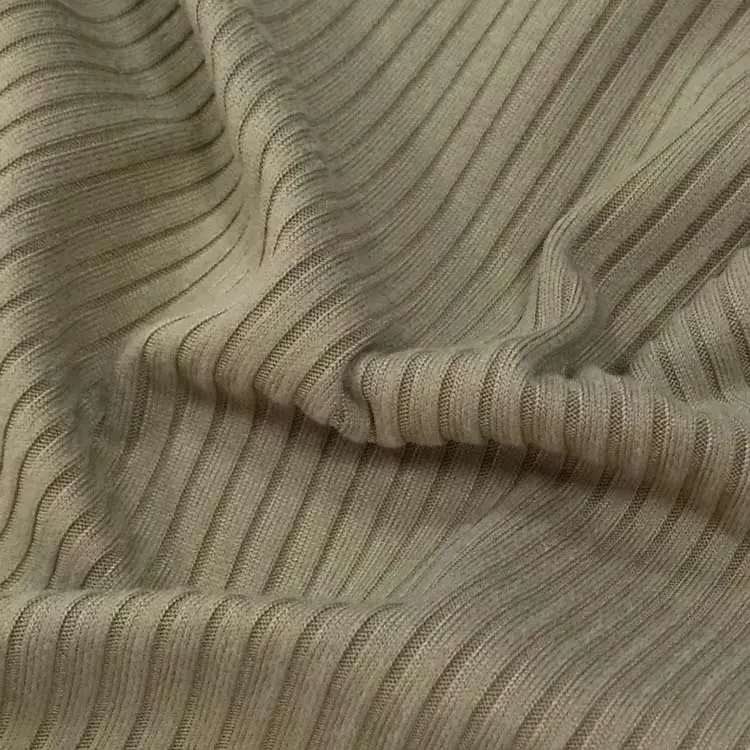
Knitted fabrics, known for their elasticity and softness, are a product of looping yarn together. This unique construction allows for stretchiness and breathability, making knitted garments a favorite for activewear, sweaters, and cozy blankets. But did you know that there are different types of knitting techniques, such as weft knitting and warp knitting? Each method produces distinct textures and properties, adding to the versatility of knitted fabrics.
Demystifying Woven Fabrics
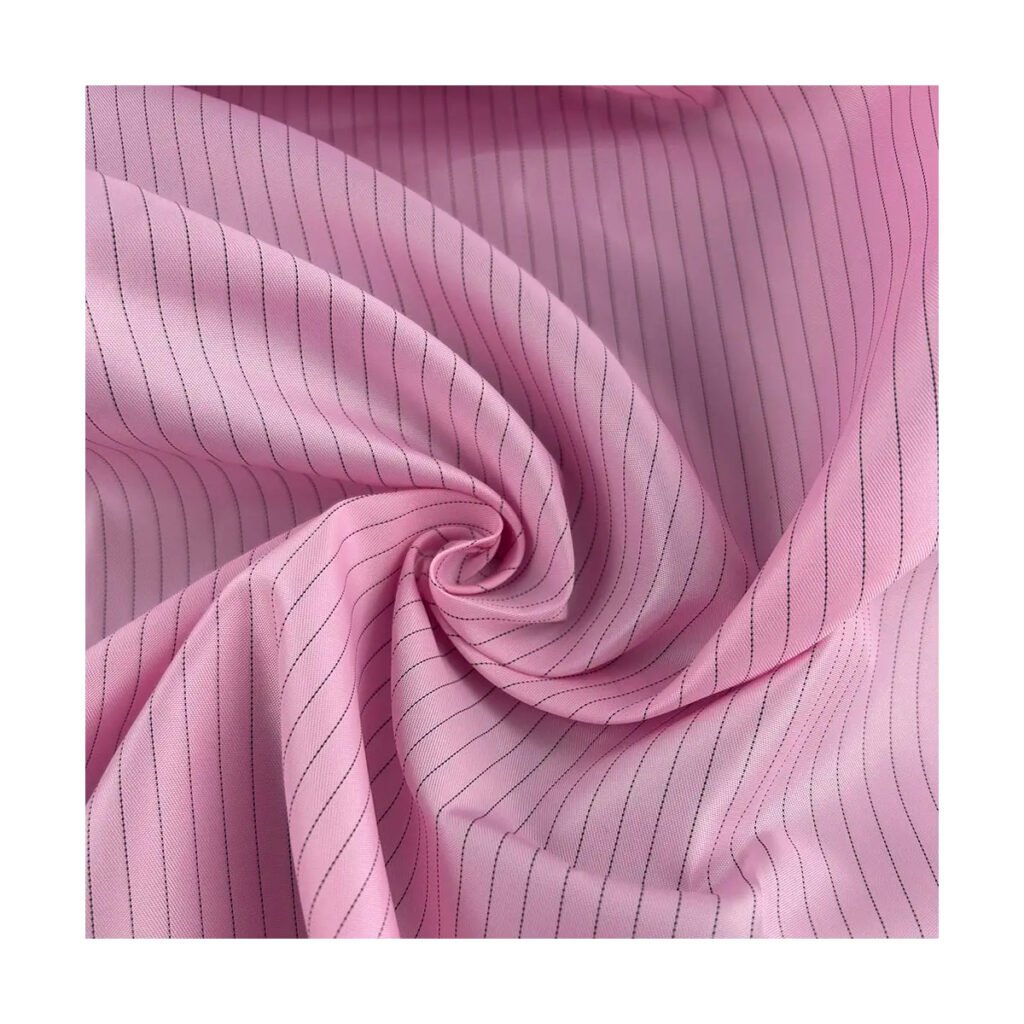
Woven fabrics, characterized by their stability and durability, are the result of crisscrossing two sets of yarn at right angles. This meticulous weaving process creates a fabric with little to no stretch, ideal for tailored garments like dress shirts, trousers, and upholstery. From plain weave to twill and satin weaves, each weaving technique imparts unique qualities to the final product, such as strength, drapability, and sheen.
Exploring the Differences
Now that we’ve grasped the fundamentals, let’s compare knitted and woven fabrics across various parameters:
1. Stretchiness: Knitted fabrics excel in stretchiness, thanks to their looped construction, making them perfect for form-fitting apparel and flexible applications. Woven fabrics, with their tightly interlaced yarns, offer minimal stretch, providing structure and stability to garments.
2. Breathability: Due to the inherent gaps between loops, knitted fabrics boast excellent breathability, keeping the wearer cool and comfortable. Woven fabrics, while still breathable, may have a denser structure depending on the weaving pattern and yarn type.
3. Texture: Knitted fabrics exhibit a soft, textured surface, often with a slight stretch, making them ideal for casual wear and loungewear. Woven fabrics, with their smooth and uniform appearance, lend themselves well to formal attire and interior decor.
4. Durability: Woven fabrics, with their tightly woven construction, tend to be more durable and resistant to tearing compared to knitted fabrics, which may be prone to snagging and unraveling if not properly cared for.
5. Production Process: Knitted fabrics are typically produced on knitting machines, where yarn is formed into loops and interconnected to create the fabric. Woven fabrics, on the other hand, require looms that meticulously weave horizontal (weft) and vertical (warp) yarns together.
6. Applications: Knitted fabrics are favored for applications requiring stretch and comfort, such as sportswear, underwear, and casual apparel. Woven fabrics find their niche in tailored garments, upholstery, curtains, and accessories where structure and stability are paramount.
Addressing Common Queries
- Are knitted fabrics warmer than woven fabrics? While both fabric types can be used for warm clothing, knitted fabrics may offer more insulation due to their inherent stretchiness, trapping heat close to the body.
- Which fabric is more prone to wrinkling? Woven fabrics, especially those with a tight weave, tend to resist wrinkles better than knitted fabrics, which may stretch and distort under tension.
- Can knitted fabrics unravel easily? Knitted fabrics can unravel if a yarn is broken or snagged, whereas woven fabrics maintain their integrity even if a thread is damaged.
- Do knitted fabrics shrink more than woven fabrics? Knitted fabrics may shrink more than woven fabrics, especially if they contain natural fibers like wool or cotton that have a tendency to contract when exposed to heat and moisture.
- Which fabric type is better for moisture wicking? Knitted fabrics, with their inherent breathability and moisture-absorbing properties, are often preferred for activewear and athletic apparel requiring moisture management.
Weaving It All Together
In the tapestry of textiles, knitted and woven fabrics stand as distinct threads, each contributing its own texture, structure, and functionality to the fabric of fashion and design. Whether you’re snuggled up in a cozy knit sweater or dressed to the nines in a tailored woven suit, understanding the difference between these two fabric types adds depth to your appreciation of the garments that adorn our lives.